

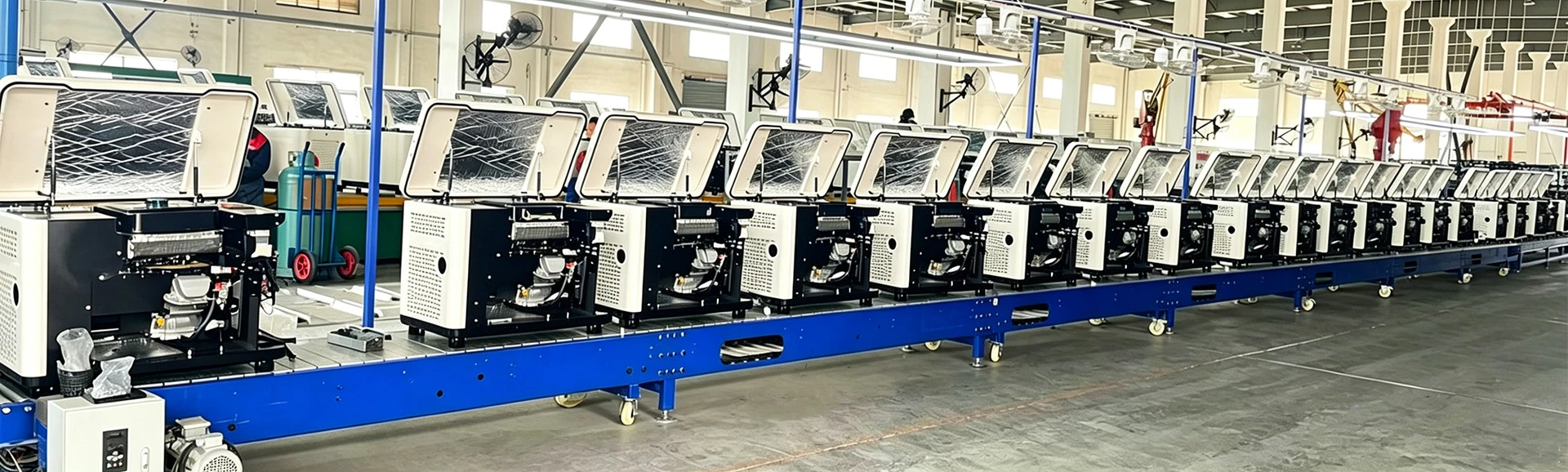
The working principle of a four-stroke gasoline engine is that a working cycle is completed through four strokes of intake, compression, power, and exhaust. During this process, the piston reciprocates up and down for four strokes, and the corresponding crankshaft rotates for two weeks. Four-stroke engines belong to reciprocating piston internal combustion engines. According to the type of fuel used, they are divided into three categories: gasoline engine, diesel engine and gas fuel engine. A piston internal combustion engine fueled by gasoline or diesel is called a gasoline engine or a diesel engine, respectively. Piston-type internal combustion engines that use natural gas, liquefied petroleum gas, and other gaseous fuels are called gas-fueled engines. Both gasoline and diesel are petroleum products and are traditional fuels for car engines. Non-petroleum fuels are called alternative fuels. Engines that use alternative fuels are called alternative fuel engines, such as ethanol engines, hydrogen engines, and methanol engines.


